How microblading is performed
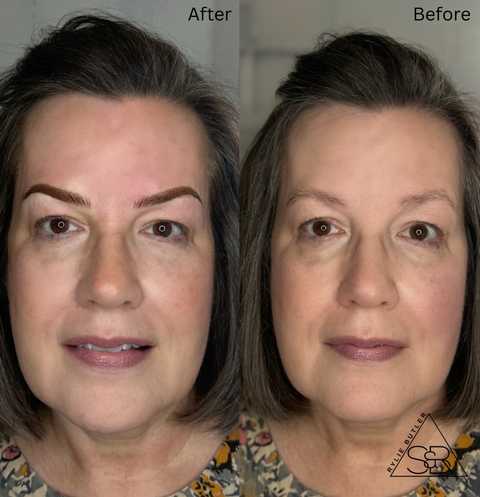
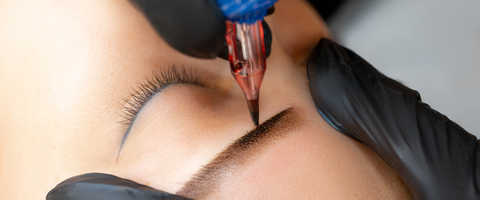
Microblading at Skin & Brows Redefined uses a manual microblading pen with ultra-fine needle bundles to implant pigment as hair-like strokes. The technique builds texture and mimics real brow hairs rather than creating a flat tattooed block. Clients often report a natural finish and a noticeable confidence boost once healed, which matches the outcomes our team consistently delivers.
Every appointment begins with mapping and a consultation to design shape and symmetry that suit your face. The artist then deposits pigment stroke-by-stroke for a tailored result. This approach is precise and labor-intensive by design, which is why careful pre-procedure mapping and steady technique are central to achieving subtle, realistic brows.
Healing and touch-up policy
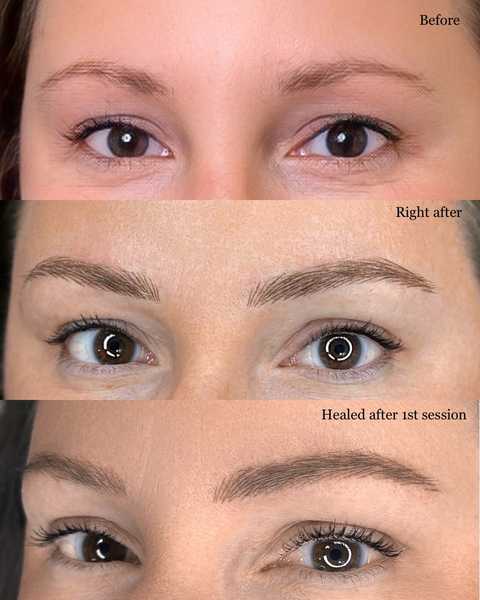
Expect color to appear 30–40% darker immediately after the procedure, with scabbing and flaking commonly occurring around days four through fourteen. Keep the area dry for seven to ten days, avoid picking scabs, and follow the provided aftercare ointment routine. True healed color settles in over weeks two through six, so patience during healing is important to assess final results.
A perfecting session is typically scheduled about six to eight weeks after the initial appointment to refine healed strokes and balance any pigment loss. That session is offered at no additional cost when our cancellation and rescheduling policy is honored. The touch-up corrects natural fading and finalizes shape, which is why it’s considered an essential part of the overall process.
Longevity and local considerations
Microblading results may last up to 14 months depending on skin type, lifestyle, aftercare, and pigment retention. We recommend booking an annual touch-up within twelve to eighteen months of your original appointment to maintain color, shape, and overall brow freshness. If maintenance is not completed within the appropriate timeframe, a new set investment may be required.
Columbia’s humid subtropical climate—hot, humid summers with frequent thunderstorms and spring pollen—can affect healing and pigment retention, especially when swimming or sweating. Our studio in the Forest Acres / North Beltline corridor is convenient for car-oriented commuters, and evening or weekend appointments appeal to busy families and professionals preparing for summer activities or year-end events. May, October, and November are our busiest months for this reason.